Train smarter and Collaborate better - all through Virtual Experiences
Connect teams to spaces, information, and workflows through immersive virtual experiences. Designed to support training, guidance, and collaboration across sites and teams.
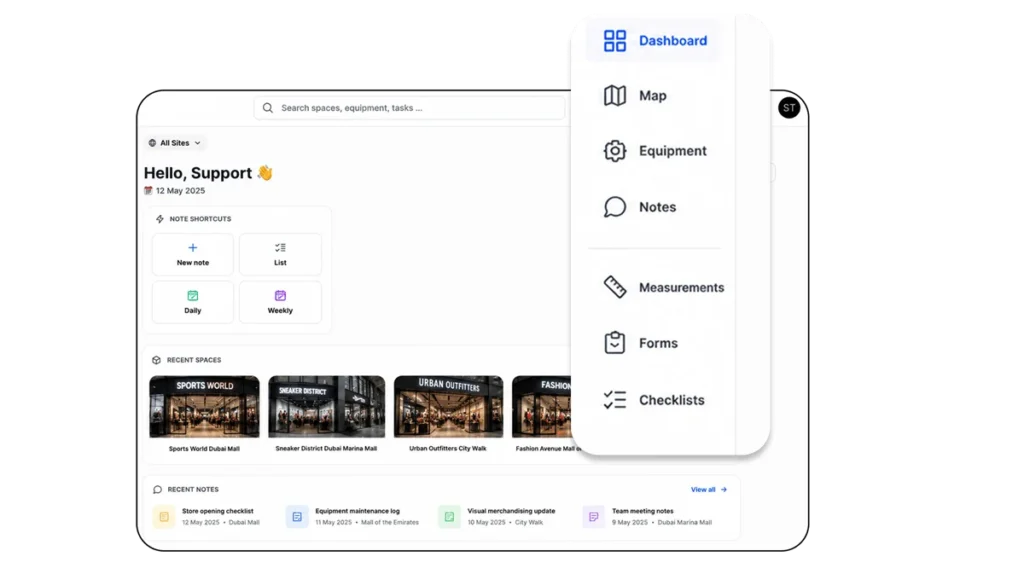
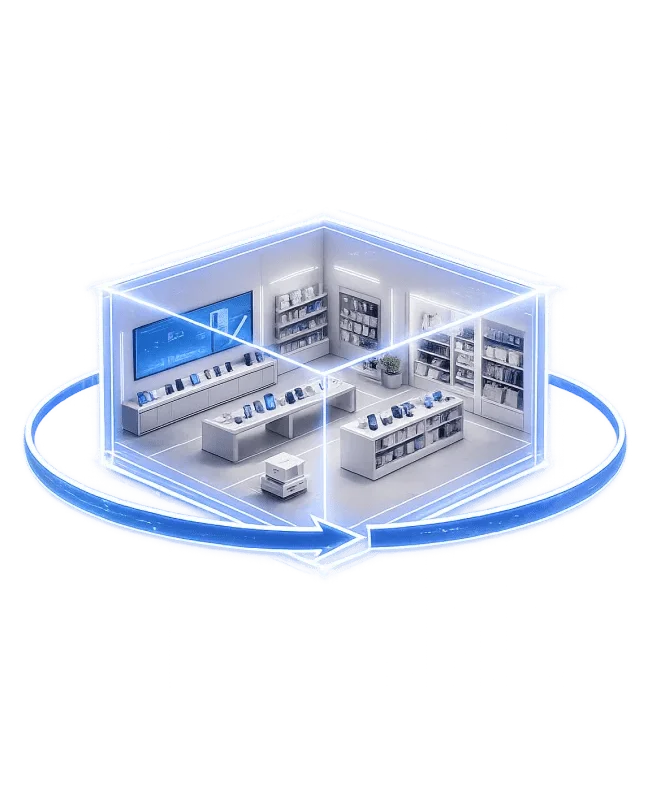
Centralized Management & Navigation
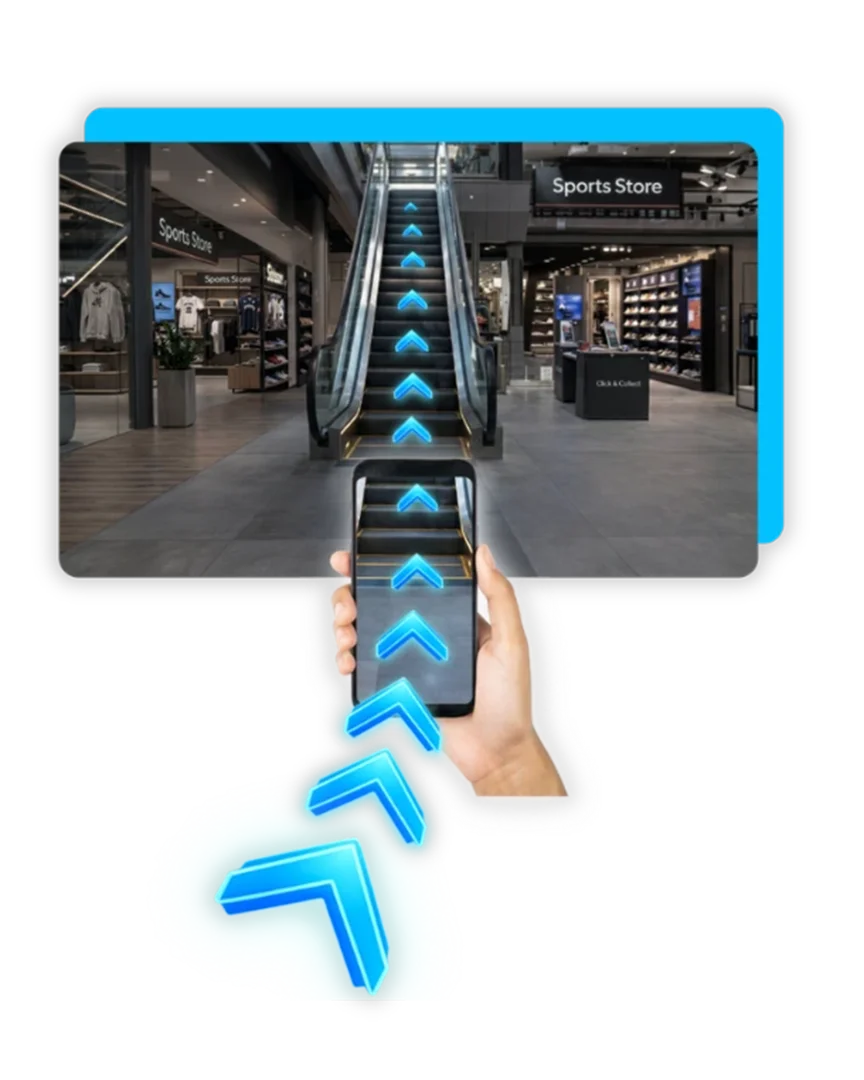
Deliver scenario-based, gamified training that allows teams to learn and practice realworld situations safely in a virtual environment.
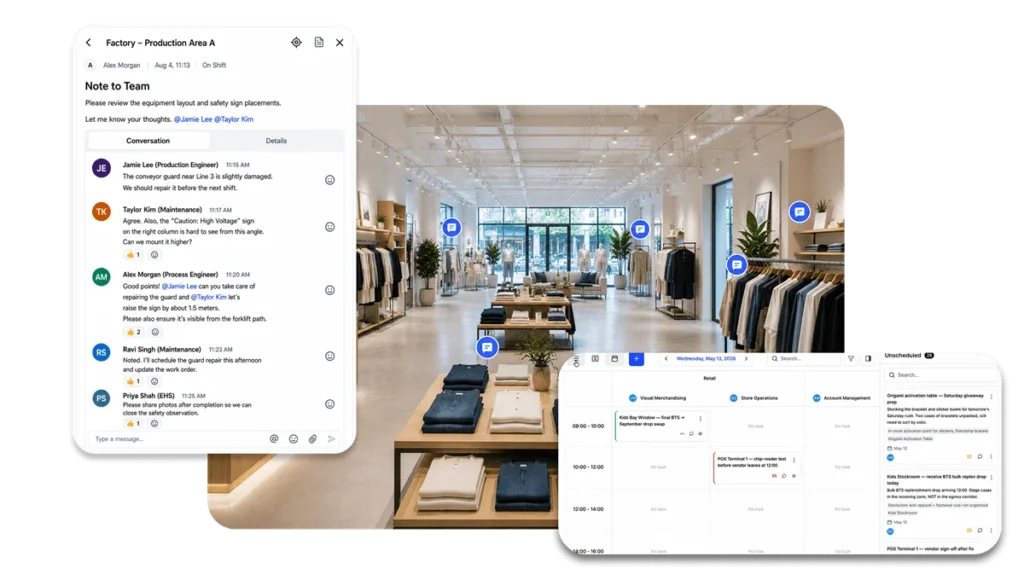
Task & Note Management
Schedule, prioritize, and manage tasks across teams and locations while supporting remote collaboration and daily operations..
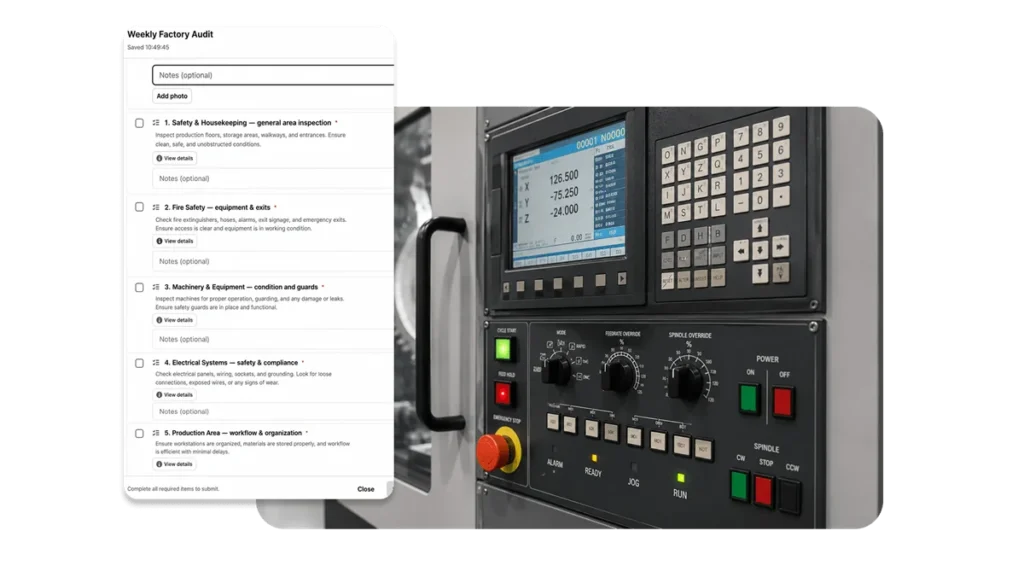
Audits & Reporting
Create audits, checklists, and digital reports to standardize inspections, track issues, and improve operational visibility across locations.
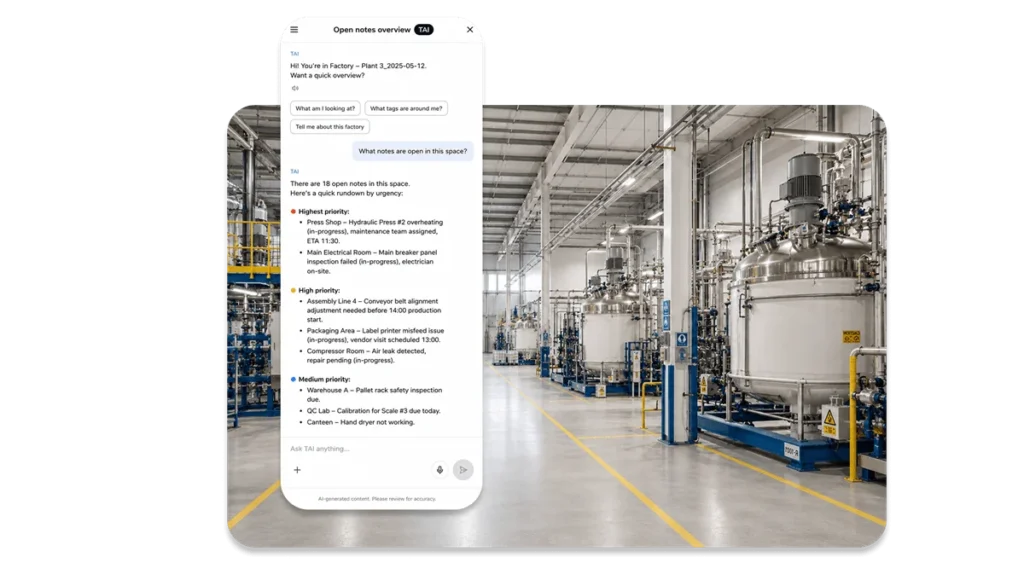
AI Assistance
An AI chat assistant that helps teams access information, summarize tasks, analyze documents, and identify priorities across spaces and operational dashboards.
FAQs
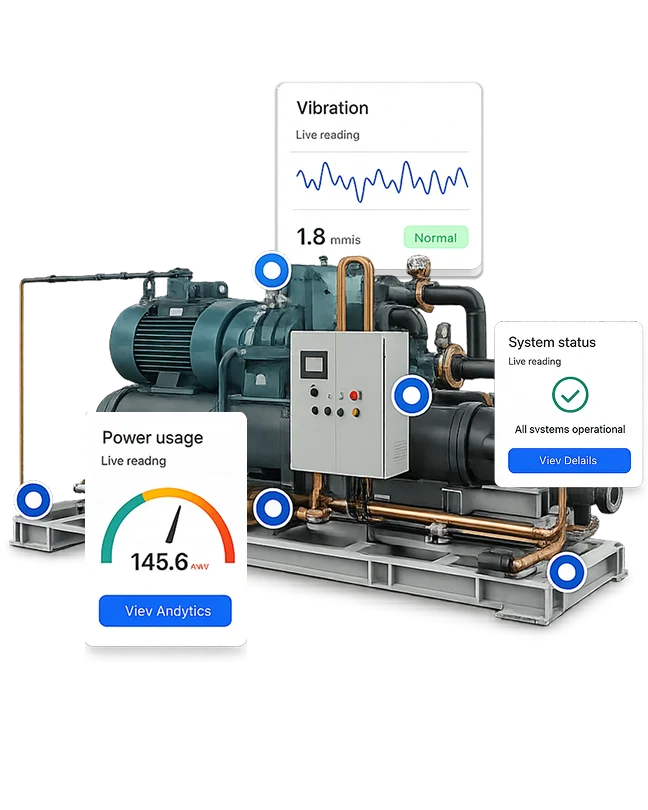
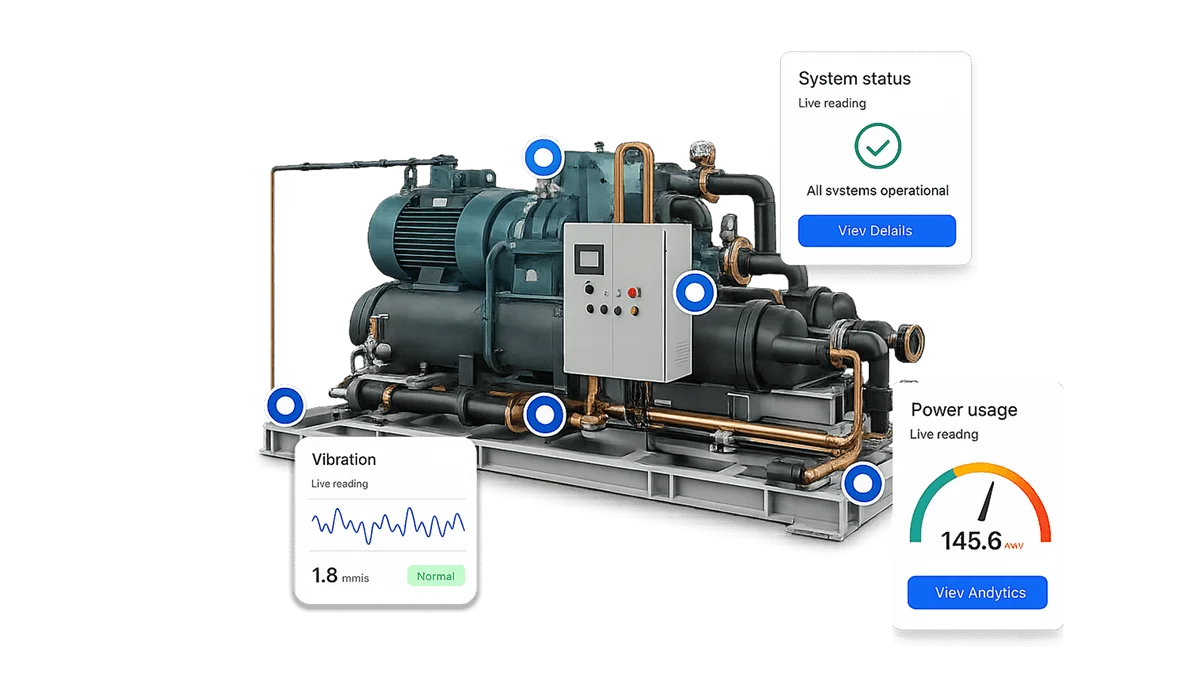
Digital Workforce Experiences are frontline employees equipped with digital tools that connect them to data, workflows, and experts in real time through mobile, IoT, and immersive technologies. Helps deliver information where and when it’s needed, boosting productivity, safety, and operational visibility.
Digital Workforce Experience platforms help organizations:
- Streamline workflows
- Reduce downtime
- Improve safety and compliance
- Enable remote assistance
- Increase task accuracy
Digital Workforce Experience is widely used in:
- Manufacturing and industrial operations
- Oil and gas and energy
- Utilities and telecom
- Construction and engineering
- Healthcare and pharmaceuticals
- Logistics and warehousing
Yes — one of the biggest advantages of Digital Workforce Experience platforms is remote collaboration. Frontline workers can collaborate remotely, share views of equipment, and receive step-by-step assistance from experts anywhere in the world. This reduces travel costs, accelerates troubleshooting, and enhances first-time fix rates.
They improve safety by delivering real-time alerts, digital checklists, compliance monitoring, and faster emergency response through connected devices and workflows.
Implementation timelines vary. Basic deployments can be ready in weeks, while advanced solutions with IoT, wearables, and AR may take longer.