Selling something people can’t physically see has always been difficult.
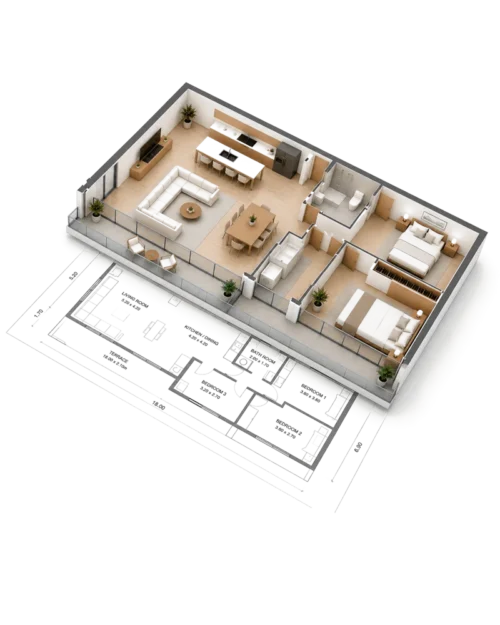
In real estate, especially with off-plan projects, buyers are often asked to imagine the final result based on drawings, floor plans, or static renders. For some, that works. But for many, it creates hesitation.
When people can’t fully visualize a space, decisions take longer.
The gap between plans and perception
Architectural drawings and images provide information, but they don’t always create a clear understanding of the space.
Buyers often struggle to picture:
- How the layout actually feels
- The scale of the space
- The flow between rooms
- The overall atmosphere
This gap between design and perception can slow down the entire sales process.
Making the invisible feel real
Instead of asking buyers to imagine, businesses can now show.
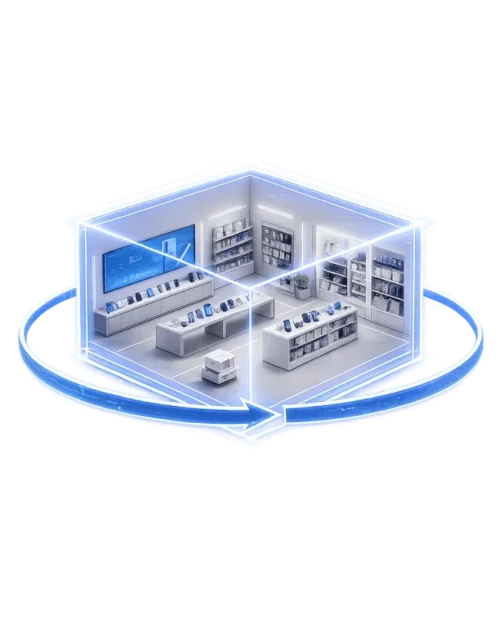
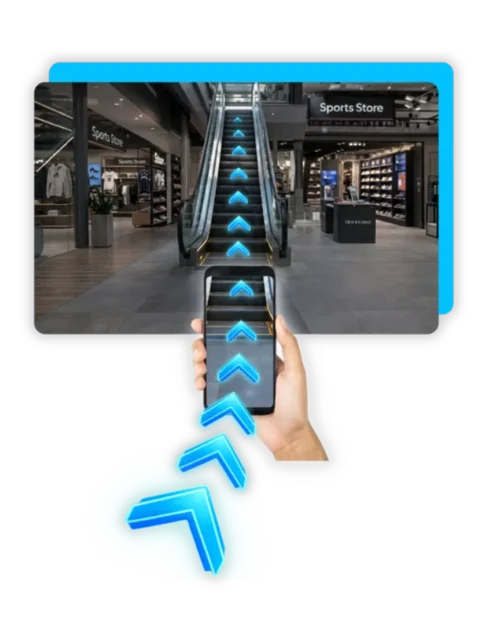
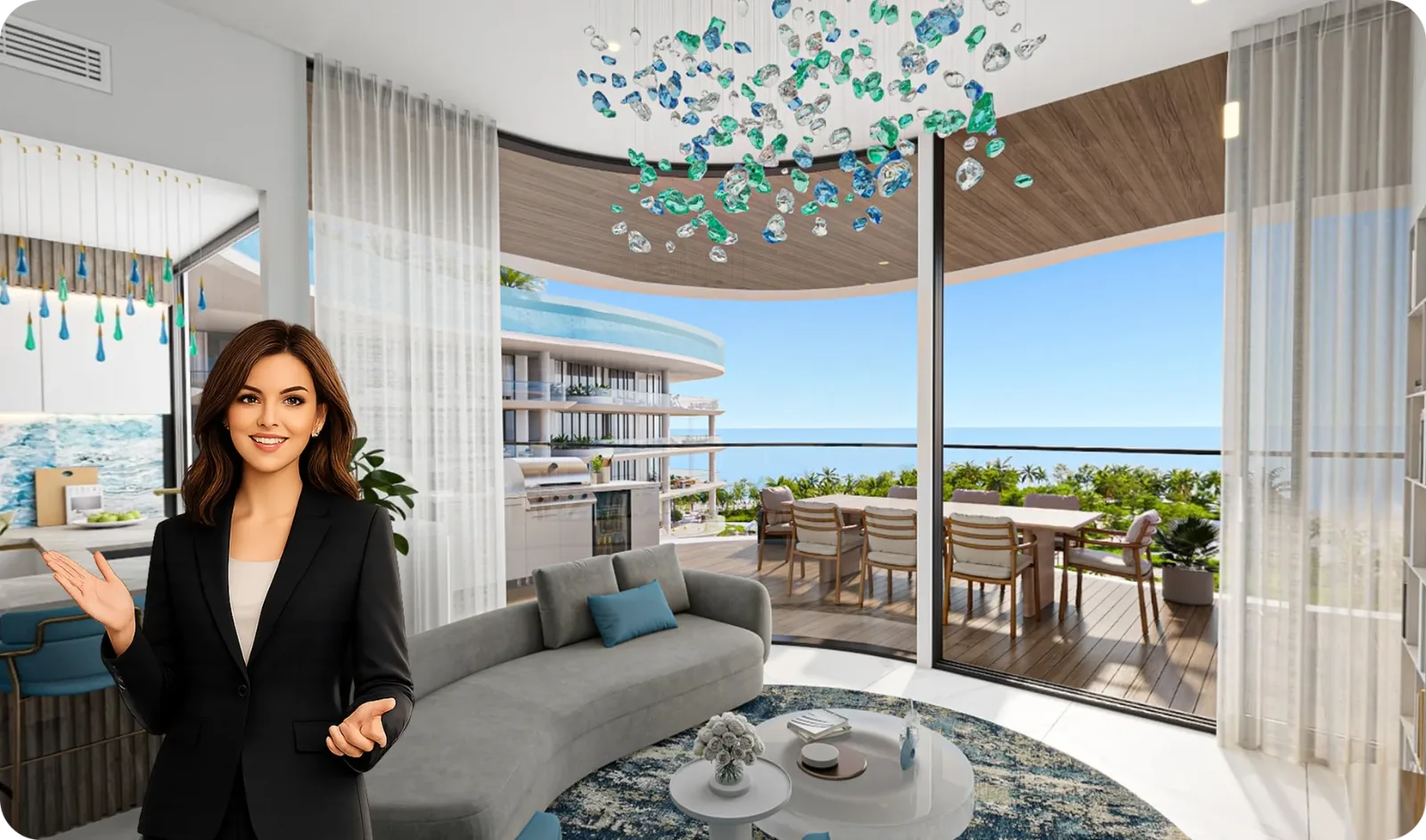
With CGI virtual tours, a space can be experienced before it’s built. People can walk through it, explore it, and understand it in a way that static visuals simply can’t offer.
It turns an idea into something tangible.
What changes for the buyer
When people can explore a space, their confidence increases.
They don’t need to guess how it will look or feel. They can move through it, see details, and get a real sense of the environment.
This makes decision-making easier and more natural.
What changes for the developer
The sales process becomes smoother and more efficient.
Instead of long explanations, the space speaks for itself. Conversations become clearer, presentations become stronger, and buyers engage more deeply.
It also opens the door to reaching clients remotely, without needing a physical site visit.
A more effective way to present spaces
In today’s market, expectations are higher. People want clarity before they commit.
By turning designs into immersive experiences, businesses can bridge the gap between concept and reality — and make it easier for buyers to move forward with confidence.