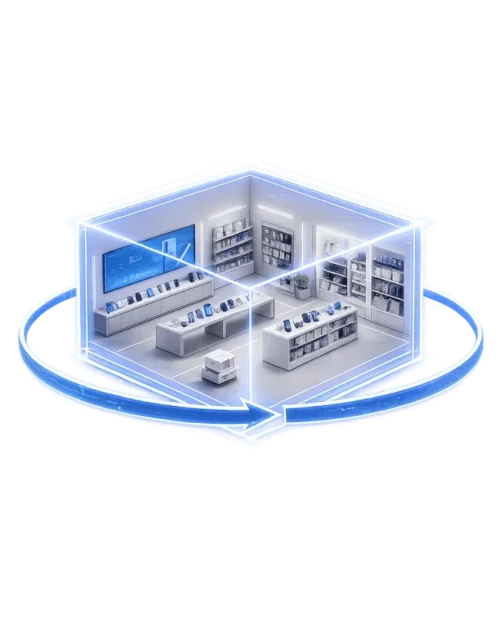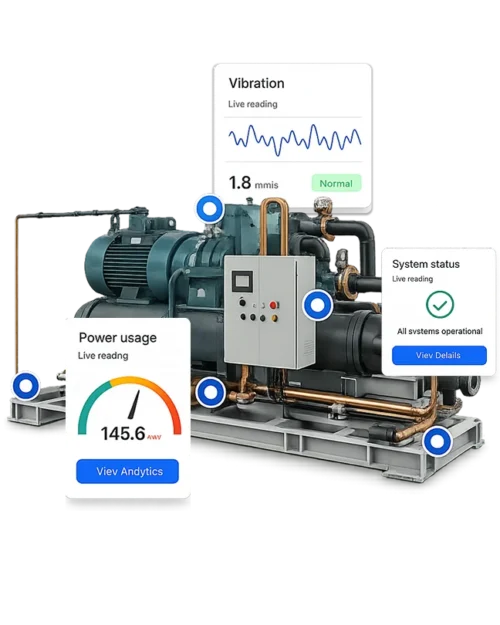
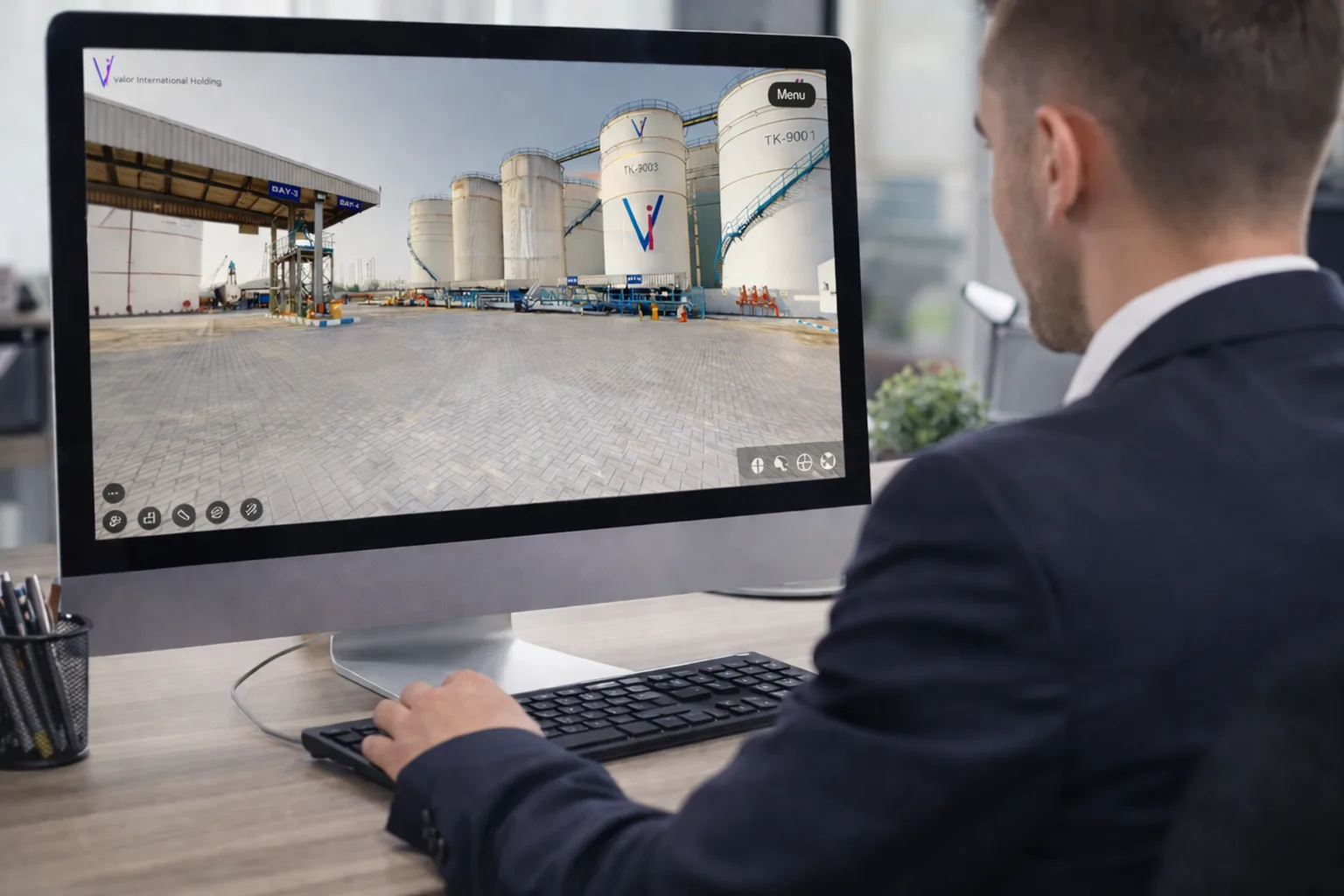
In recent years, digital twin technology has emerged as one of the most powerful tools for understanding and interacting with physical environments. A digital twin is a highly accurate digital replica of a real-world space that allows users to explore, analyze, and interact with buildings and environments remotely.
From historic sites and commercial properties to hospitals and universities, digital twins are transforming how organizations manage and present their spaces.
What Is a Digital Twin?
A digital twin is more than just a 3D model. It is a detailed, interactive representation of a physical space that allows users to move through the environment virtually.
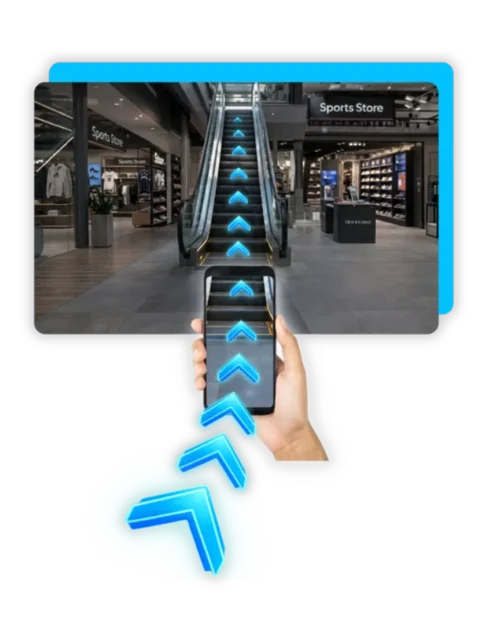
Unlike traditional maps or static models, digital twins allow users to explore spaces from multiple perspectives. Visitors can navigate rooms, view details, access information points, and interact with different elements within the environment.
This creates a far more immersive experience compared to conventional visualizations.
A New Way to Explore Physical Spaces
Digital twins enable people to explore environments remotely without needing to be physically present. This capability is particularly useful for organizations that need to showcase large or complex locations.
For example, cultural heritage sites can be documented and shared digitally, allowing audiences around the world to explore historical landmarks online. Universities and institutions can provide virtual access to their campuses, helping visitors understand their facilities before arriving.
This ability to experience spaces remotely expands access and creates new ways of engaging with physical environments.
Supporting Planning and Decision-Making
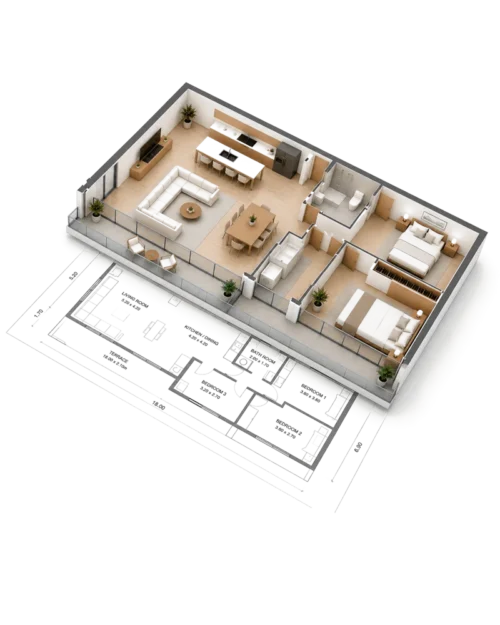
Digital twins are also valuable tools for planning and analysis. Architects, designers, and facility managers can use digital twins to better understand the layout and structure of buildings.
Being able to visualize spaces in an interactive environment helps teams evaluate layouts, identify potential improvements, and plan future developments more effectively.
This level of spatial understanding is difficult to achieve through traditional drawings or static visualizations.
Enhancing Communication and Collaboration
One of the key advantages of digital twins is the ability to share spaces with stakeholders easily. Teams can review environments together, leave notes, attach documents, and discuss design ideas directly within the digital space.
This makes collaboration more efficient, especially for projects that involve teams located in different cities or countries.
The Future of Spatial Technology
As technology continues to evolve, digital twins will play an increasingly important role in how organizations interact with physical spaces. They provide a powerful bridge between the physical and digital worlds, enabling better visualization, communication, and decision-making.
For businesses and institutions looking to modernize the way they present and manage their environments, digital twins are quickly becoming an essential tool.