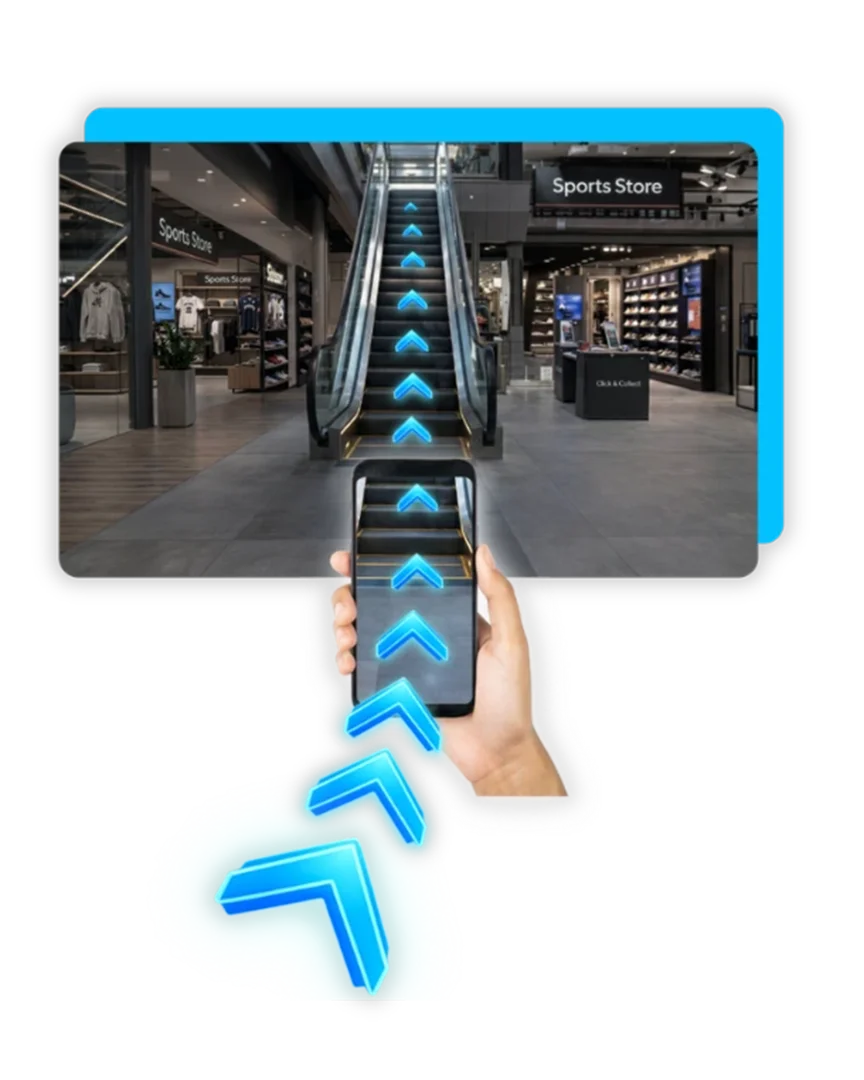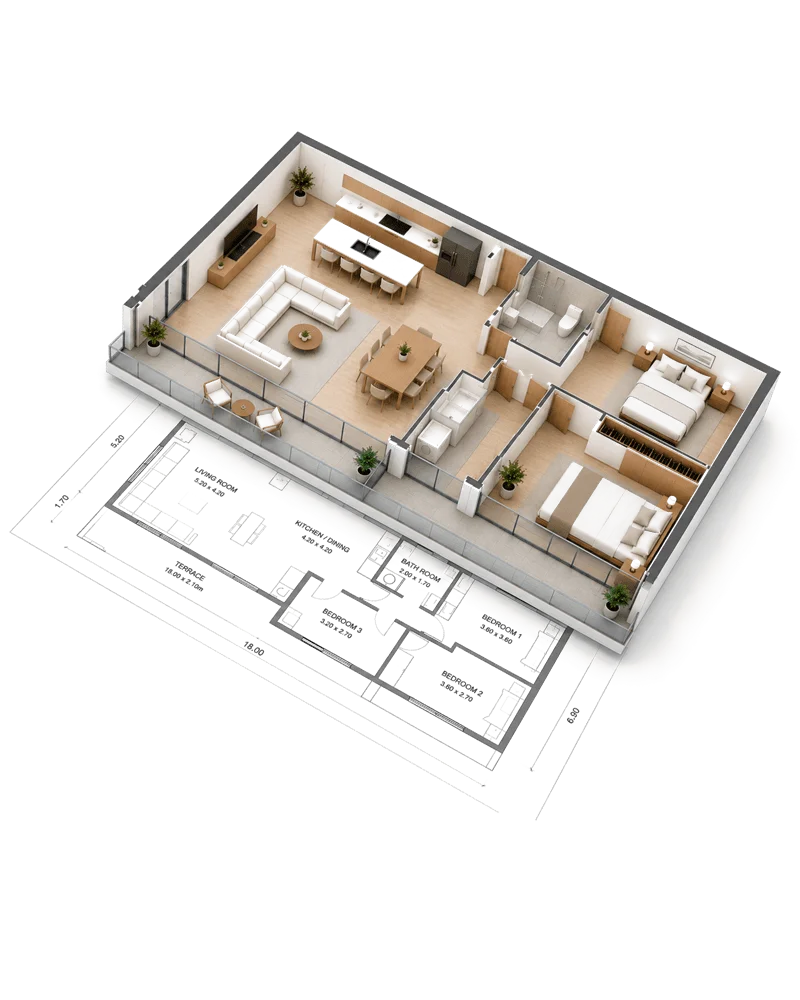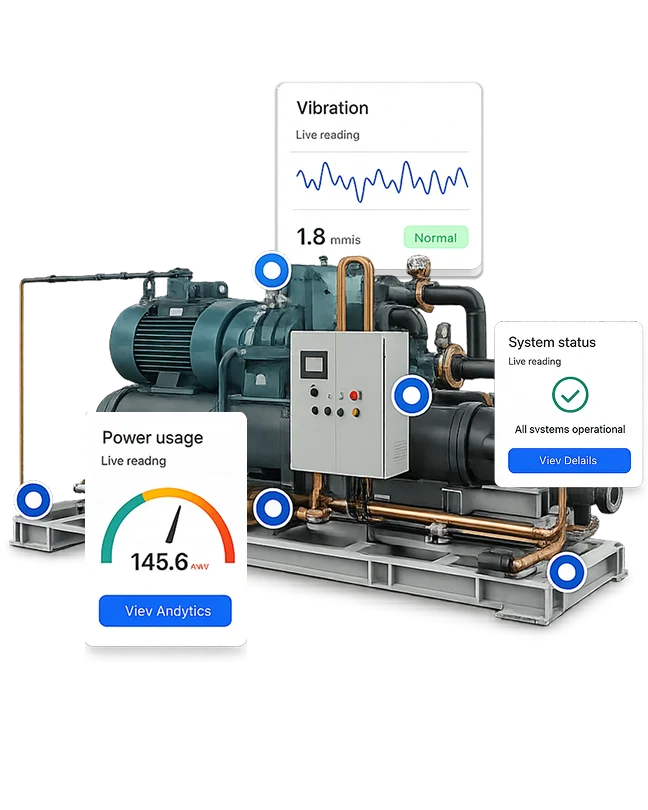
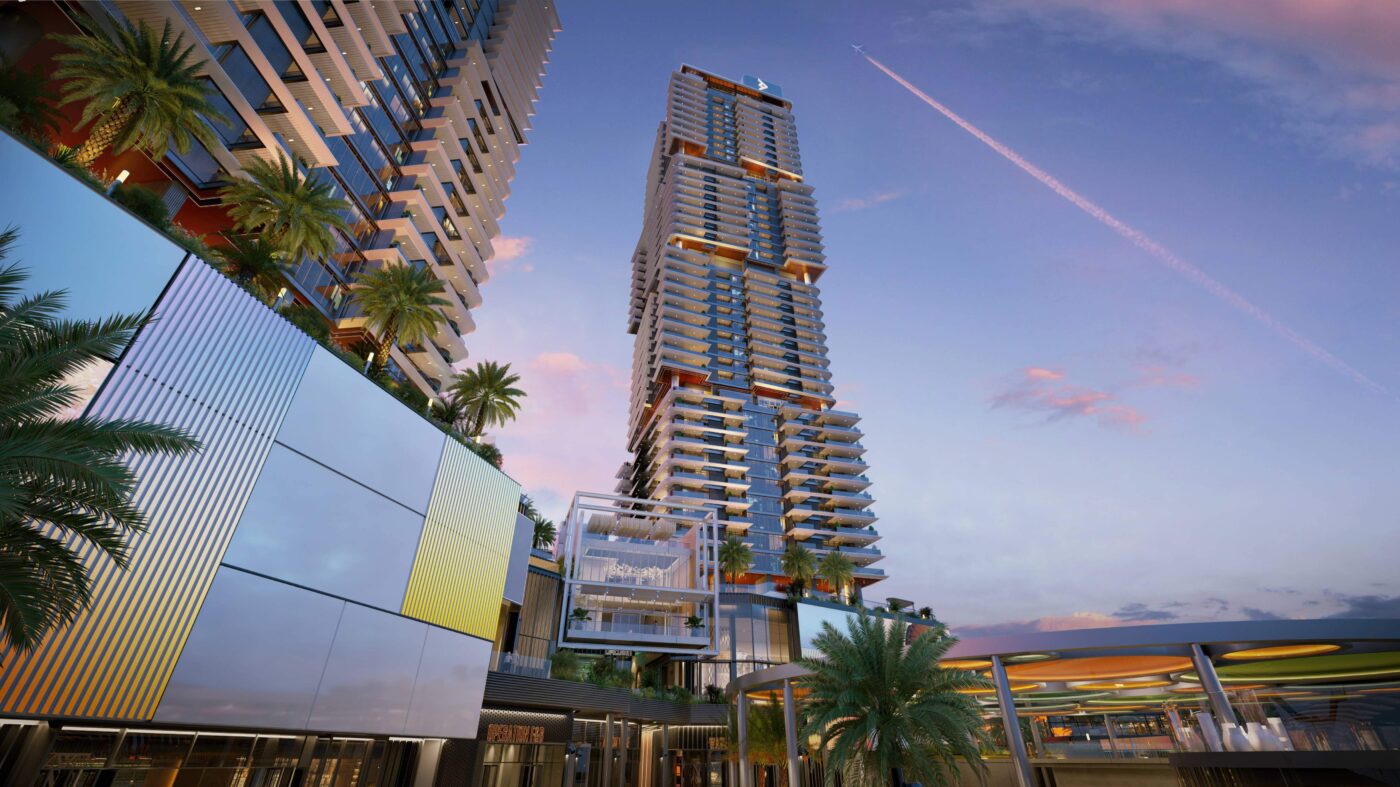
Despite architectural drawings and technical notes being the primary means of communication, they have lost their sufficiency. The clients want to feel the spaces, the developers want to be more certain, and the design teams need one reference that everyone can see. Real estate interactive visualization methods like walkthroughable models, embedded 3D viewers, and CGI virtual tours are becoming the new norm to visualize and experience the designs even before the actual construction begins.
Make design decisions with the whole team on the same page
A floor plan can tell you the size of the room, but it won’t show you how people will move around there. Technical drawings are very accurate, but clients find them very difficult to understand. When a project is shown as an interactive model, everybody can walk through the area, see the lines of sight, and try the movement paths. The shared visual context greatly reduces misunderstandings, thereby allowing architects, engineers, builders, and interior designers to discuss the same thing rather than get into disputes over the various possible interpretations.
Use interactive tools to toggle layers, show MEP routes, and compare alternate configurations. That way, technical coordination occurs visually, and costly surprises on-site are less likely to happen.
Spot conflicts earlier, save money on changes
Visual simulation uncovers conflicts that might be overlooked by plans. An interactive section can illustrate at what times and in what areas daylight will fall in a lobby or how a beam obstructs a planned view. It is considerably cheaper to identify these problems during design than to resolve them on-site.
In addition to conflicts, interactive models allow teams to evaluate the feasibility and timing of construction. Contractors can rehearse access routes digitally, and cladding details can be reviewed in context, which sharpens the construction brief and shortens revision cycles.
Let clients experience design, not imagine it
Clients give better feedback when they can explore a realistic interior or approach a building in 3D. Virtual staging, furniture layout options, and lighting presets let users judge scale and mood, then comment precisely. That reduces rework and keeps project scope aligned with expectations.
When a model supports measurements and AR placement, clients can verify whether intended furniture or equipment will fit, which removes a familiar source of doubt.
Make approvals easier and get investors attracted
More than ever, three-dimensional views have a very strong impact on the people who have to decide about the project, such as in the case of committees, the planning authorities, and the investors. A CGI virtual tour with the voice-over of the architect or an animated site context gives a clear picture of building size, landscape plans, and people’s ways of moving around. Pictures, which show the relation of the new building to the existing ones, help to cut down the time for reviews and make the discussions of approvals more efficient.
Explore materials, lighting, and scenarios faster
An interactive material selector lets teams try stone, timber, and glazing options instantly. Lighting studies can be simulated for multiple dates and times, and finishes can be compared side by side. This digital experimentation avoids endless physical mockups, and it leads to decisions grounded in how surfaces actually behave under real conditions.
Designers also benefit from scenario toggles, such as day versus night, furnished versus empty, and seasonal plantings. These options help assess long-term performance, not just a single frozen view.
Turn visualization into measurable marketing assets
Interactive models extend beyond design. Embedded viewers, short walkthrough clips, and clickable floor plans enrich listings and web pages, increasing time on page and capturing more focused leads. Engagement signals derived from 3D viewers, such as the duration of a user’s unit tour or the materials checked by the user, assist in the follow-up workflow of the sales team and also uncover which leads are really interested.
The role of augmented reality technologies allows potential buyers to visualize a furniture piece in the targeted living room or experience a façade of their choice from their smartphones, which definitely accelerates the process of moving from the stage of interest to the stage of commitment.
Brainstorming realistic starters
One physical space that is typical of the project, or the model apartment, or the intersection of two sites that might need frequent changes, can be your initial focus. Create an extremely accurate 3D model, a guided CGI virtual tour, an interactive material palette, and an AR-ready file. Try out the assets with a limited number of clients and contractors and keep a record of the questions and clarifications needed. When the return becomes evident, extend the approach to the entire project.
Conclusion
Design communication approaches based on interactivity, like, among others, 3D viewers, guided CGI virtual tours, and AR previews, make it easier for stakeholders to confidently assess the drawings converted into experiences. Thus, fewer surprises, faster approvals, and more precise marketing messages become the outcome. For teams in Dubai seeking professional support with interactive visualization, real estate interactive visualization, or high-quality 3D renderings, Limina Studios produces both the design-grade models and the client-facing assets that move projects forward.