In today’s digital-first world, businesses are constantly searching for better ways to present their spaces, services, and environments online. Traditional photos and videos are often not enough to fully communicate the scale, layout, and atmosphere of a physical location. This is why virtual tours are becoming an essential tool for modern businesses.
Virtual tours allow users to explore a location remotely through an interactive digital environment. Instead of simply viewing images, visitors can move through the space, look around freely, and understand how different areas connect. This interactive experience helps businesses communicate their spaces far more effectively than traditional media.
Across industries such as hospitality, real estate, education, retail, and cultural institutions, virtual tours are transforming the way spaces are presented and experienced online.
Creating a More Engaging Online Experience
One of the biggest advantages of virtual tours is the level of engagement they provide. When visitors explore a space through an interactive environment, they gain a deeper understanding of the location.
Unlike static images or promotional videos, virtual tours allow users to move through the environment at their own pace. They can explore rooms, navigate hallways, and examine details from different angles. This makes the experience feel much closer to physically visiting the location.
For businesses, this increased engagement helps capture attention and encourages visitors to spend more time exploring their website or digital platforms.
Helping Customers Understand Physical Spaces
Many businesses operate in environments where the layout and design are important to the visitor experience. Hotels, universities, hospitals, office buildings, and retail spaces all rely on physical environments that can be difficult to understand through traditional media.
Virtual tours provide a way for visitors to explore these environments before arriving in person. They can become familiar with the layout, see important areas, and understand how the space is organized.
This helps reduce uncertainty and allows visitors to feel more comfortable and confident before visiting the location.
Supporting Marketing and Global Reach
Virtual tours also play an important role in modern marketing strategies. Businesses are no longer limited to presenting their spaces to local audiences. Through a virtual tour, organizations can showcase their environments to potential clients, customers, or visitors anywhere in the world.
This is particularly valuable for industries such as hospitality, real estate, tourism, and education, where potential visitors may be located in different cities or countries.
By allowing audiences to explore a location remotely, businesses can communicate the value of their spaces more clearly and expand their reach to a global audience.
Improving Communication and Remote Collaboration
Virtual tours are not only useful for marketing purposes. They also provide valuable tools for communication and collaboration.
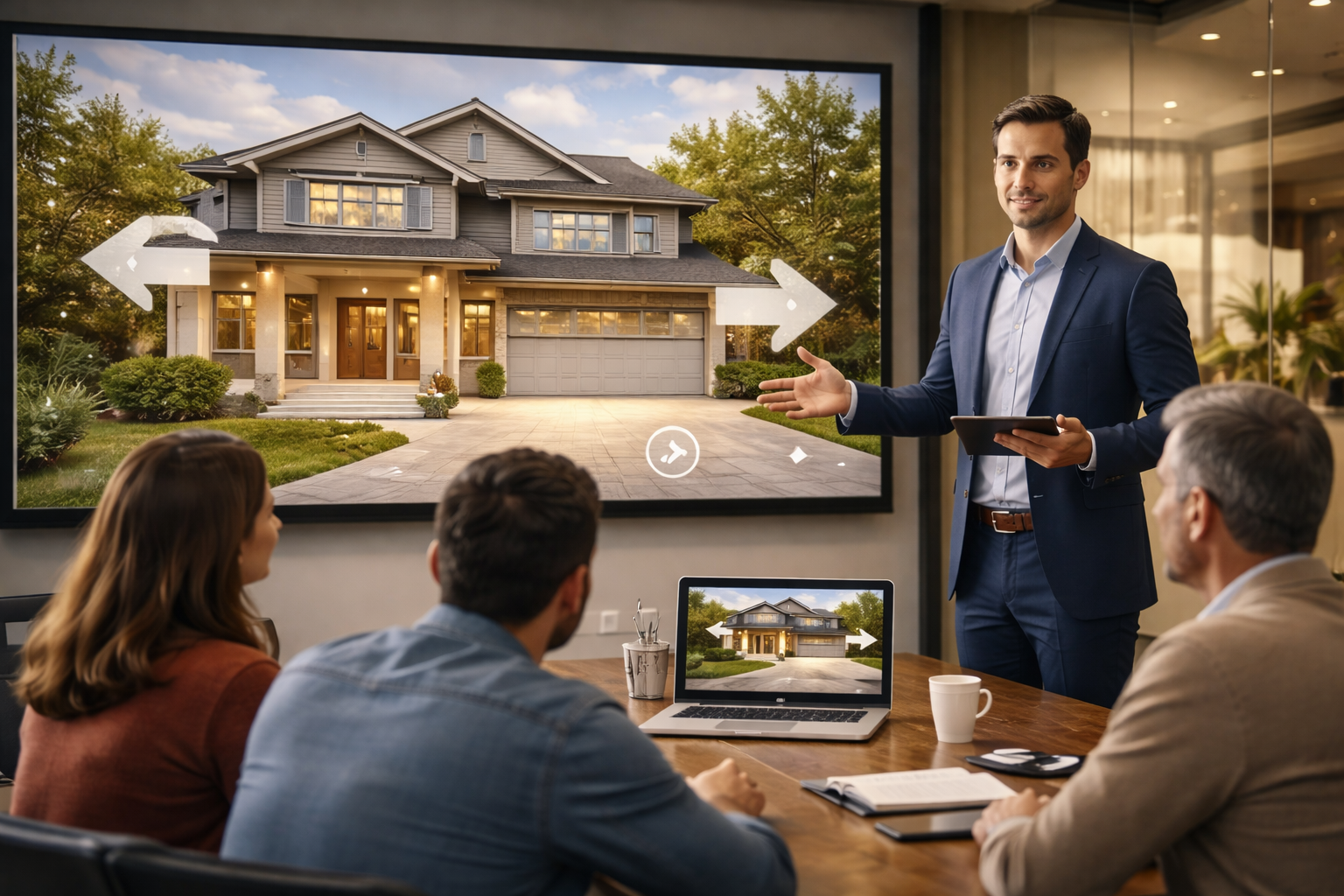
Organizations can use virtual tours during remote meetings, presentations, or planning discussions. Teams, clients, and stakeholders can review environments together without needing to visit the location physically.
This makes virtual tours especially useful for project presentations, facility planning, and remote decision-making.
Conclusion
Virtual tours are transforming the way businesses present and communicate their spaces online. By allowing visitors to explore environments interactively, virtual tours provide a level of understanding and engagement that traditional photos and videos cannot achieve.
For industries such as hospitality, real estate, retail, education, and cultural institutions, virtual tours make it possible to showcase spaces to audiences anywhere in the world while helping visitors better understand the layout and atmosphere of a location before arriving.
Beyond marketing, virtual tours also support communication and decision-making by enabling teams, clients, and stakeholders to explore environments remotely.
As businesses continue to invest in digital experiences, virtual tours are becoming an essential tool for presenting physical spaces online.
At Limina Studios, we create immersive virtual tours and digital twin environments that help organizations present their spaces in a clear, interactive, and engaging way.