Marketing off-plan real estate projects has always been a challenge. Since the property has not yet been built, developers must rely on floor plans, architectural drawings, and static renderings to communicate the vision of the project. While these materials are useful, they often make it difficult for potential buyers and investors to fully understand the space.
This is where CGI virtual tours are transforming off-plan real estate marketing.
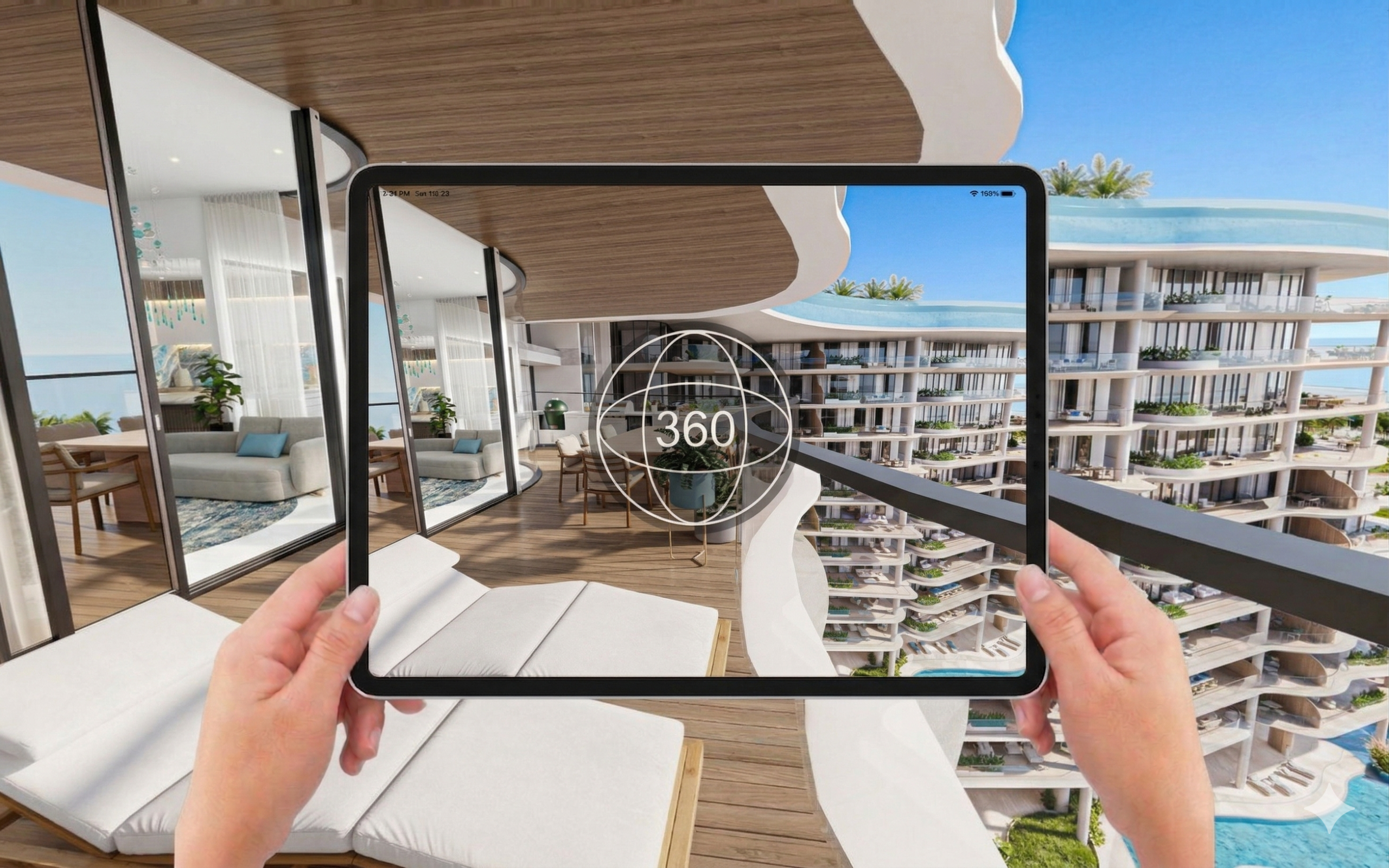
CGI virtual tours allow users to explore a future property through a realistic digital environment. Instead of viewing a single rendering, potential buyers can walk through the project virtually, move between rooms, and experience the layout as if the building already exists.
This immersive experience helps viewers understand the scale, design, and spatial flow of the development in a way that traditional marketing materials cannot achieve.
A Better Way to Present Future Developments
For developers and real estate marketers, CGI virtual tours provide a powerful way to present projects more clearly. Buyers can explore apartments, villas, showrooms, or commercial spaces in detail before construction is completed.
This allows potential clients to visualize how the property will look and feel once finished, which can significantly improve confidence in the project.
By providing a realistic preview of the space, developers can communicate design ideas more effectively and create a stronger connection with potential buyers.
Reaching International Buyers
Another major advantage of CGI virtual tours is their ability to reach global audiences. Real estate buyers and investors are often located in different cities or countries, making it difficult to visit a development site in person.
Virtual tours make it possible to present off-plan projects anywhere in the world. Developers can share interactive tours through websites, online presentations, or marketing campaigns, allowing clients to explore properties remotely.
This makes CGI virtual tours an especially valuable tool for international real estate marketing.
Conclusion
CGI virtual tours provide a modern way to present off-plan real estate projects through immersive digital environments. By allowing buyers and investors to explore a property before construction begins, developers can communicate the vision, layout, and design of a project much more effectively.
For real estate developers and marketing teams, CGI virtual tours are becoming an essential tool for showcasing projects, engaging potential buyers, and reaching audiences across the world.