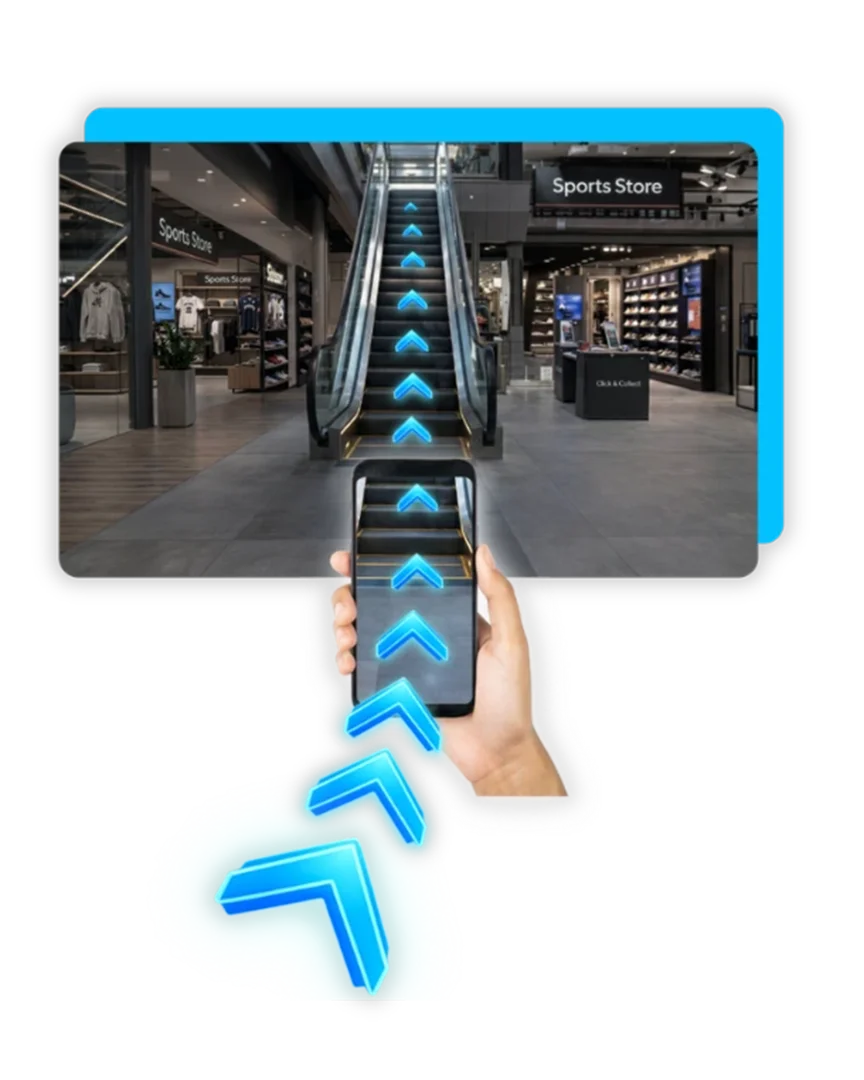
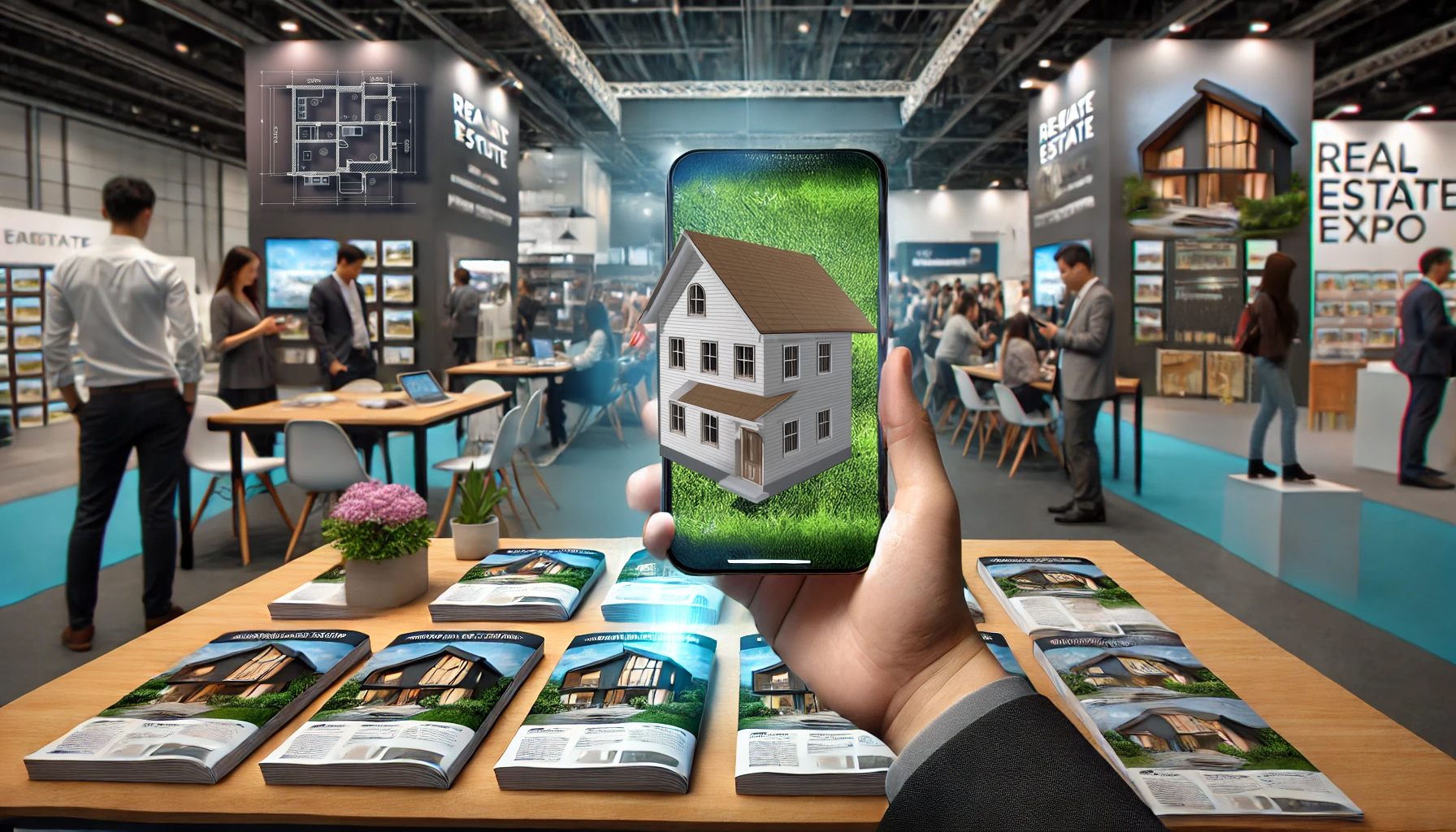
A listing that relies only on pictures from a stationary camera cannot show the site, movement, or even the sensation of being there. Nevertheless, the mesmerizing visuals, along with the superior quality CGI virtual tours, make the customers feel as if they are very close to the site, inspecting the finishes, and imagining their life there. I will explain how immersive property experiences speed up decision-making, attract quality leads, and make the sales process easier.
The listings with interactive visualization are like a tour through the property
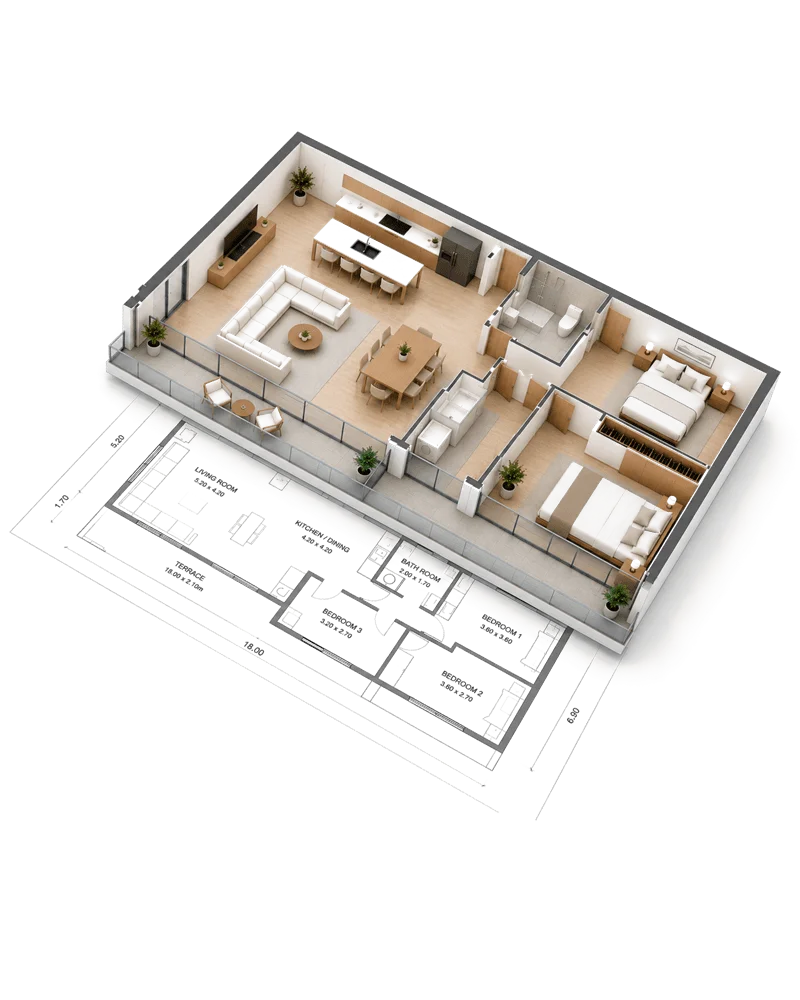
Only a few images can show the rooms, but they do not show the ways of movement, the views, or the light changes during a day. A CGI virtual tour or a 3D property viewer allows the customers to migrate from one room to another, pause at a window, and view the street or the courtyard. With the buyer being able to take the measurements of a wall, rearrange the furniture, or change the lighting from day to night, the listing becomes a very realistic preview of life in the house. This transparency quickens the process of turning the first interest into an offer.
3D Interactive visualizations reduce site visits
Travelling, time, and safety issues are among the factors that make remote buyers want to sift through properties before they agree on a physical viewing. Well-drawn floor plans, virtual tours, and CGI tours lead to a significant decline in the number of check-ups required by agents; thus, they only do the serious ones, for fewer and more serious shoppers. A virtual tour that is well put together may take the buyers or investors through the first two rounds of checking, so when they finally travel, they will only be there to sign the contract and not to decide whether the property is worth seeing or not.
Showcase potential with virtual staging and configurable finishes
Empty rooms leave too much to the imagination, furnished photos can bias taste, and physical staging is costly. Interactive real estate visualization can stage rooms virtually, presenting several furniture styles and layouts with a tap. Buyers can also try alternate finishes, flooring, and kitchen options and see pricing or upgrade impacts in real time. Presenting choices like this helps buyers form concrete preferences, and listings that offer customization often close at higher prices.
Make complex developments understandable
Off-plan projects and multi-tower developments present problems that photos cannot solve, like orientation, communal spaces, and views from different floors. CGI virtual tours unify the master plan, show apartment stack differences, and simulate sightlines from specific windows. For developers, this reduces buyer uncertainty, supports pre-sales, and accelerates decision cycles during launches.
Enhance search visibility and ad performance
The use of interactive assets not only prolongs the duration that a user remains on a site but also increases the likelihood of sharing such content. Incorporation of 3D viewers, short movie clips of walkthroughs, or interactive floor plans leads to a decrease in bounce rate and the generation of richer signals for the search engines.
For social media campaigns, a rapid transition through the rooftop terrace or switching between equipped options via a video clip is a far more effective way of attracting attention than using a still picture. These assets can be utilized in email, social media, and paid channels, thus reducing the cost per lead.
Make remote closings possible with measurable interest signals:
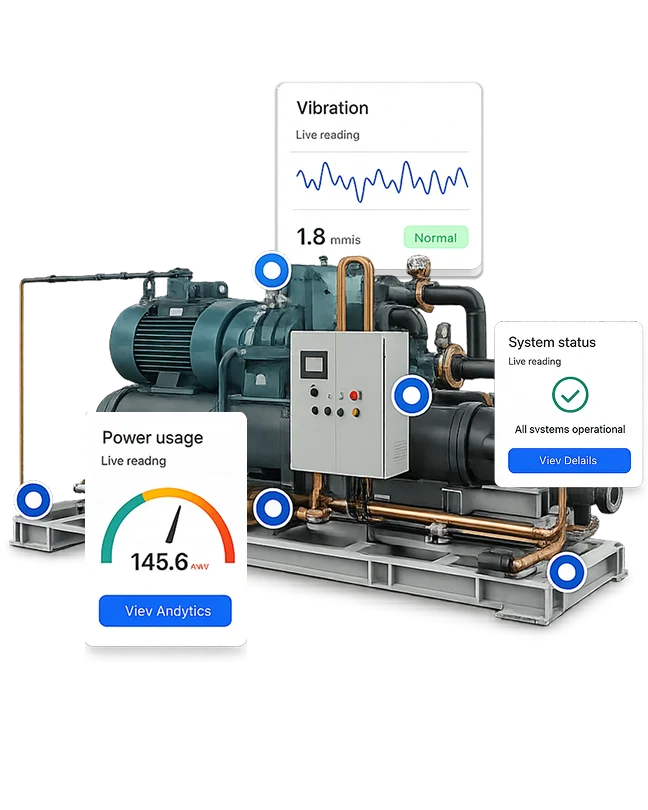
The engagement metrics of 3D viewers, such as the duration spent in a unit, the number of rooms visited, or the options explored, are more significant indicators of serious intent than mere page views. It is possible for salespeople to discover which connections are worth following up on based on those interactions and to provide personalized support, such as targeted floor plans or financing examples, to those leads that have shown the most interest.
Lower marketing and staging costs; speed launches:
Virtual models remove the need for repeat physical staging, and they let marketing run assets long before construction finishes. A developer can produce a CGI virtual tour for a show apartment, then adapt it for multiple unit types and marketing channels. That reduces time to market, and it lets the team test messaging and layouts before committing to physical build decisions.
Conclusion:
The whole interactive real estate visualization process, including CGI virtual tours, for instance, has made passive listings practically and measurably turn into experiences. For agents and developers who want to smooth the sales process and increase the number of quality leads while maintaining the same property presentation across all channels, the ROI is certainly clear. In case you are located in Dubai and your real estate requires professional CGI, 3D, or AR simulations, Limina Studios assists professionals in getting real estate seen and sold via web, mobile, and other sales channels.